
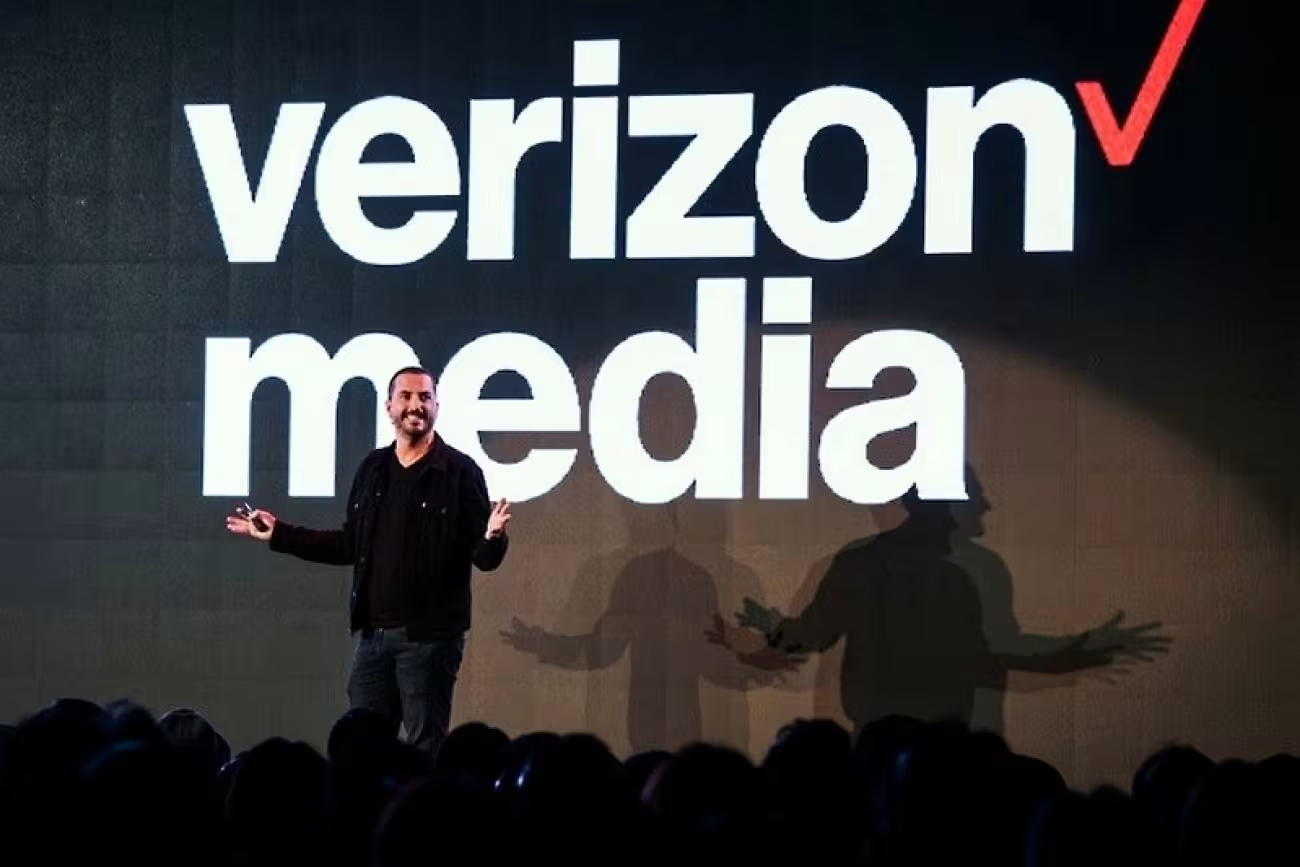
Apollo Global Management completed a $5 billion acquisition of Verizon Media in September 2021, taking control of major internet brands including Yahoo and AOL. The transaction marked Verizon's exit from a decade-long effort to build a major digital media and advertising business, while giving Apollo ownership of an established portfolio of consumer internet services.
Announced on May 3, 2021, the agreement transferred Verizon Media into a standalone company operating under the Yahoo name. Verizon retained a minority interest, while Apollo took control of the business and sought to accelerate its development in digital advertising, media, commerce, and consumer technology.
Apollo's $5 Billion Acquisition of Verizon Media
The transaction involved Verizon selling its media division to funds managed by affiliates of Apollo Global Management. The business included Yahoo, AOL, advertising technology platforms, and various digital media operations.
Under the agreement, Verizon would receive $4.25 billion in cash and $750 million in preferred interests. It would also retain a 10% ownership stake in the business following completion.
The $5 billion headline valuation represented a significant restructuring of Verizon's media operations. Rather than continuing to operate an extensive collection of internet and publishing businesses, Verizon chose to concentrate its resources on telecommunications infrastructure and its 5G network strategy.
What Companies and Brands Did Apollo Acquire?
Verizon Media had developed into a broad digital media portfolio through acquisitions and internal restructuring. Its assets included several recognizable internet brands and technology businesses.
- Yahoo: A major internet platform offering email, news, finance, sports, search, and other digital services.
- AOL: An established internet brand known for its email services, digital publishing, and advertising operations.
- TechCrunch: A technology publication covering startups, venture capital, and the technology industry at the time of the transaction.
- Engadget: A technology publication covering consumer electronics, gadgets, and digital innovation.
- Advertising technology: Platforms and services supporting digital advertising, marketing, and media monetization.
These assets gave Apollo exposure to established digital audiences, advertising relationships, subscription services, and technology infrastructure. The portfolio also provided opportunities to develop new commercial models around finance, sports, commerce, and digital content.
Why Did Verizon Sell Yahoo and AOL?
Verizon's decision to sell its media division followed years of challenges integrating telecommunications with digital publishing and online advertising.
Verizon entered the digital media industry through two major acquisitions. It purchased AOL in 2015 for approximately $4.4 billion and acquired Yahoo's core internet operations in 2017 for approximately $4.48 billion.
The company subsequently combined these businesses under the Oath brand before renaming the division Verizon Media. However, the strategy struggled to deliver the expected competitive position in digital advertising.
Google and Facebook, now known as Meta, had established dominant positions in online advertising, making it difficult for Verizon to compete effectively. Verizon also recorded a substantial $4.6 billion write-down related to its media business in 2018.
Under CEO Hans Vestberg, Verizon increasingly prioritized telecommunications infrastructure, wireless services, and 5G development. Selling Verizon Media allowed the company to redirect management attention and capital toward these core operations.
When Did Apollo Complete the Acquisition?
Apollo officially completed the acquisition on September 1, 2021. Following the closing, Verizon Media became an independent company operating under the Yahoo brand, with Apollo funds as its controlling investor.
Guru Gowrappan, who previously led Verizon Media, continued as Yahoo's chief executive officer at the time of the transaction. The company initially focused on developing its consumer internet products, advertising capabilities, subscriptions, and commerce operations.
The completion also marked the end of Verizon's direct ownership of its former media division, although the telecommunications company retained its agreed 10% minority interest at closing.
Yahoo's Strategy Under Apollo Ownership
Apollo's investment strategy focused on improving the commercial performance of Yahoo's existing services while reducing operational complexity.
Yahoo continued developing its major consumer products, particularly Yahoo Finance, Yahoo Sports, Yahoo Mail, and its digital news operations. These platforms offered established audiences and opportunities for advertising, subscriptions, and commerce-related revenue.
Over time, Yahoo also restructured its business by selling selected publishing assets and reducing operations that no longer aligned with its priorities. TechCrunch and Rivals were among the publishing businesses subsequently sold.
In September 2021, Jim Lanzone succeeded Guru Gowrappan as Yahoo's chief executive officer. His leadership focused on improving the company's core products, simplifying its operations, and strengthening its position in the consumer internet market.
Yahoo's AI Strategy and Developments in 2026
Yahoo's strategy has increasingly incorporated artificial intelligence as competition in online search and digital content discovery intensifies.
In 2026, Yahoo introduced Scout, an AI-powered answer engine designed to provide personalized responses and connect users with information across its ecosystem, including finance, sports, news, and other services.
The initiative represents an effort to strengthen Yahoo's relevance in an internet environment increasingly shaped by generative AI platforms. Scout also creates opportunities to direct users toward Yahoo's existing products rather than relying exclusively on traditional search traffic.
Chief Executive Officer Jim Lanzone has emphasized improving Yahoo's core services and building on its substantial global audience. However, the company faces competition from Google, OpenAI, Anthropic, and other technology companies developing AI-powered search and information services.
What the $5 Billion Deal Means for the Digital Media Industry
Apollo's acquisition demonstrated the continuing investment value of established internet brands, even as traditional digital publishing and advertising models faced increasing pressure.
For Verizon, the transaction represented a strategic withdrawal from an industry that had become less central to its telecommunications business. For Apollo, it created an opportunity to restructure a large portfolio of consumer internet assets and pursue growth through advertising, subscriptions, commerce, and technology.
Yahoo's subsequent investment in artificial intelligence illustrates how the business has continued evolving under private ownership. Rather than simply preserving its legacy internet services, the company is attempting to reposition its products for a market increasingly influenced by AI-driven information discovery.
The acquisition remains an important example of how private equity firms can acquire established technology and media businesses, restructure their operations, and pursue new growth opportunities in a changing digital economy.